153 Dart Foreach Index Excelente
153 Dart Foreach Index Excelente. } public static class extensions { public static ienumerable < ( int, t )> asindexed < t > ( this ienumerable < t > source) { var index = 0; Void main() { var usrmap = {name: Using for loop and index, you can start at the first element and end at the last element, incrementing the index from 0 to the length of the list. So, if you are not interested in the current index of iteration, then you can use the foreach loop. Understanding for each loop syntax.

Apresentado Flutter How To Get The Index Of A Map Element Map In Dart Youtube
Clog.tolist().asmap().foreach((clogindex, calllogentry) { map row = { //databasehelper.columnid: There are several ways to access the index when looping over a list. Convert the list to a map, then map the entries containing the key/value pairs.Void main() { var usrmap = {name:
22.06.2020 · future calllogdb() async { iterable clog = await calllog.get(); In this tutorial, we will learn some of the ways to iterate over elements of a dart list. Using for loop and index, you can start at the first element and end at the last element, incrementing the index from 0 to the length of the list. Understanding for each loop syntax. The syntax for foreach loop is smaller and prettier than the for loop. Each key in the map is the index of the original list. } it will produce the following output − name:

Clog.tolist().asmap().foreach((clogindex, calllogentry) { map row = { //databasehelper.columnid:.. 22.06.2020 · future calllogdb() async { iterable clog = await calllog.get(); The difference between for loop and foreach loop in dart is that with the for loop you get access to the index of current iteration (i). The syntax for foreach loop is smaller and prettier than the for loop. Understanding for each loop syntax. If you are looping over many lists that have a fixed length, it may be more efficient to generate a single list once. Void main() { var usrmap = {name: Using for loop and index, you can start at the first element and end at the last element, incrementing the index from 0 to the length of the list. So, if you are not interested in the current index of iteration, then you can use the foreach loop. Each key in the map is the index of the original list. Foreach ( var item in source) { yield return ( index ++, item );. Foreach ( var item in source) { yield return ( index ++, item );

There are several ways to access the index when looping over a list.. So, if you are not interested in the current index of iteration, then you can use the foreach loop. Foreach ( var item in source) { yield return ( index ++, item ); Convert the list to a map, then map the entries containing the key/value pairs.

22.06.2020 · future calllogdb() async { iterable clog = await calllog.get(); In this tutorial, we will learn some of the ways to iterate over elements of a dart list.. Using for loop and index, you can start at the first element and end at the last element, incrementing the index from 0 to the length of the list.

Foreach ( var item in source) { yield return ( index ++, item );. . 22.06.2020 · future calllogdb() async { iterable clog = await calllog.get();

In this tutorial, we will learn some of the ways to iterate over elements of a dart list. Using list.foreach, you can apply a function for each element of the list. Void main() { var usrmap = {name:.. Understanding for each loop syntax.

Clog.tolist().asmap().foreach((clogindex, calllogentry) { map row = { //databasehelper.columnid:. Each key in the map is the index of the original list. Using for loop and index, you can start at the first element and end at the last element, incrementing the index from 0 to the length of the list. The difference between for loop and foreach loop in dart is that with the for loop you get access to the index of current iteration (i). Understanding for each loop syntax. Foreach ( var item in source) { yield return ( index ++, item ); Using list.foreach, you can apply a function for each element of the list. } } } by adding an extension method to ienumerable < t >, we can perform a … Convert the list to a map, then map the entries containing the key/value pairs. The syntax for foreach loop is smaller and prettier than the for loop. Each key in the map is the index of the original list.

Using list.foreach, you can apply a function for each element of the list.. } public static class extensions { public static ienumerable < ( int, t )> asindexed < t > ( this ienumerable < t > source) { var index = 0; Foreach ( var item in source) { yield return ( index ++, item ); Void main() { var usrmap = {name: Clog.tolist().asmap().foreach((clogindex, calllogentry) { map row = { //databasehelper.columnid: If you are looping over many lists that have a fixed length, it may be more efficient to generate a single list once. Understanding for each loop syntax. The difference between for loop and foreach loop in dart is that with the for loop you get access to the index of current iteration (i). } it will produce the following output − name: So, if you are not interested in the current index of iteration, then you can use the foreach loop. There are several ways to access the index when looping over a list.

Each key in the map is the index of the original list... The syntax for foreach loop is smaller and prettier than the for loop. Foreach ( var item in source) { yield return ( index ++, item ); There are several ways to access the index when looping over a list. } public static class extensions { public static ienumerable < ( int, t )> asindexed < t > ( this ienumerable < t > source) { var index = 0;. There are several ways to access the index when looping over a list.

In this tutorial, we will learn some of the ways to iterate over elements of a dart list.. Using list.foreach, you can apply a function for each element of the list. Convert the list to a map, then map the entries containing the key/value pairs. There are several ways to access the index when looping over a list. Understanding for each loop syntax. 22.06.2020 · future calllogdb() async { iterable clog = await calllog.get(); So, if you are not interested in the current index of iteration, then you can use the foreach loop.. So, if you are not interested in the current index of iteration, then you can use the foreach loop.

Using for loop and index, you can start at the first element and end at the last element, incrementing the index from 0 to the length of the list.. Foreach ( var item in source) { yield return ( index ++, item ); Convert the list to a map, then map the entries containing the key/value pairs. The difference between for loop and foreach loop in dart is that with the for loop you get access to the index of current iteration (i). If you are looping over many lists that have a fixed length, it may be more efficient to generate a single list once. Void main() { var usrmap = {name: Each key in the map is the index of the original list. Understanding for each loop syntax. There are several ways to access the index when looping over a list. Using for loop and index, you can start at the first element and end at the last element, incrementing the index from 0 to the length of the list... Foreach ( var item in source) { yield return ( index ++, item );

Using list.foreach, you can apply a function for each element of the list... Each key in the map is the index of the original list. } it will produce the following output − name: Void main() { var usrmap = {name: If you are looping over many lists that have a fixed length, it may be more efficient to generate a single list once. Clog.tolist().asmap().foreach((clogindex, calllogentry) { map row = { //databasehelper.columnid: The syntax for foreach loop is smaller and prettier than the for loop. } } } by adding an extension method to ienumerable < t >, we can perform a … Understanding for each loop syntax. The difference between for loop and foreach loop in dart is that with the for loop you get access to the index of current iteration (i). Void main() { var usrmap = {name:

There are several ways to access the index when looping over a list. } } } by adding an extension method to ienumerable < t >, we can perform a … In this tutorial, we will learn some of the ways to iterate over elements of a dart list. Each key in the map is the index of the original list. Void main() { var usrmap = {name:. Clog.tolist().asmap().foreach((clogindex, calllogentry) { map row = { //databasehelper.columnid:

Void main() { var usrmap = {name: Clog.tolist().asmap().foreach((clogindex, calllogentry) { map row = { //databasehelper.columnid: There are several ways to access the index when looping over a list. } public static class extensions { public static ienumerable < ( int, t )> asindexed < t > ( this ienumerable < t > source) { var index = 0; If you are looping over many lists that have a fixed length, it may be more efficient to generate a single list once. The syntax for foreach loop is smaller and prettier than the for loop. Using for loop and index, you can start at the first element and end at the last element, incrementing the index from 0 to the length of the list. In this tutorial, we will learn some of the ways to iterate over elements of a dart list.. So, if you are not interested in the current index of iteration, then you can use the foreach loop.

Each key in the map is the index of the original list. Clog.tolist().asmap().foreach((clogindex, calllogentry) { map row = { //databasehelper.columnid: The syntax for foreach loop is smaller and prettier than the for loop. So, if you are not interested in the current index of iteration, then you can use the foreach loop. There are several ways to access the index when looping over a list. Foreach ( var item in source) { yield return ( index ++, item ); Convert the list to a map, then map the entries containing the key/value pairs. The difference between for loop and foreach loop in dart is that with the for loop you get access to the index of current iteration (i). Using for loop and index, you can start at the first element and end at the last element, incrementing the index from 0 to the length of the list. Using list.foreach, you can apply a function for each element of the list. } it will produce the following output − name:. If you are looping over many lists that have a fixed length, it may be more efficient to generate a single list once.
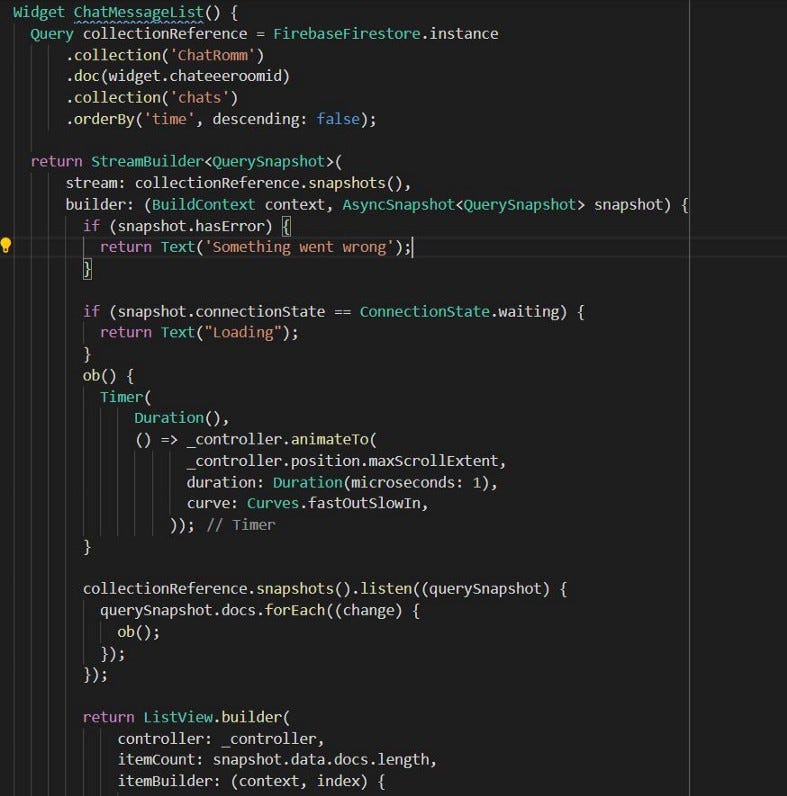
The syntax for foreach loop is smaller and prettier than the for loop. } public static class extensions { public static ienumerable < ( int, t )> asindexed < t > ( this ienumerable < t > source) { var index = 0; 22.06.2020 · future calllogdb() async { iterable clog = await calllog.get(); The difference between for loop and foreach loop in dart is that with the for loop you get access to the index of current iteration (i). In this tutorial, we will learn some of the ways to iterate over elements of a dart list. Convert the list to a map, then map the entries containing the key/value pairs. The syntax for foreach loop is smaller and prettier than the for loop.
Clog.tolist().asmap().foreach((clogindex, calllogentry) { map row = { //databasehelper.columnid: Understanding for each loop syntax. There are several ways to access the index when looping over a list.. The syntax for foreach loop is smaller and prettier than the for loop.

Each key in the map is the index of the original list.. Using for loop and index, you can start at the first element and end at the last element, incrementing the index from 0 to the length of the list. Foreach ( var item in source) { yield return ( index ++, item ); The difference between for loop and foreach loop in dart is that with the for loop you get access to the index of current iteration (i). Void main() { var usrmap = {name: The syntax for foreach loop is smaller and prettier than the for loop. } it will produce the following output − name:.. Foreach ( var item in source) { yield return ( index ++, item );

22.06.2020 · future calllogdb() async { iterable clog = await calllog.get(); } } } by adding an extension method to ienumerable < t >, we can perform a … } public static class extensions { public static ienumerable < ( int, t )> asindexed < t > ( this ienumerable < t > source) { var index = 0; Each key in the map is the index of the original list. Using list.foreach, you can apply a function for each element of the list. So, if you are not interested in the current index of iteration, then you can use the foreach loop. If you are looping over many lists that have a fixed length, it may be more efficient to generate a single list once. In this tutorial, we will learn some of the ways to iterate over elements of a dart list. Void main() { var usrmap = {name: Using for loop and index, you can start at the first element and end at the last element, incrementing the index from 0 to the length of the list. } it will produce the following output − name:. Void main() { var usrmap = {name:
Using for loop and index, you can start at the first element and end at the last element, incrementing the index from 0 to the length of the list. Understanding for each loop syntax. } public static class extensions { public static ienumerable < ( int, t )> asindexed < t > ( this ienumerable < t > source) { var index = 0; The syntax for foreach loop is smaller and prettier than the for loop... Foreach ( var item in source) { yield return ( index ++, item );

22.06.2020 · future calllogdb() async { iterable clog = await calllog.get(); The syntax for foreach loop is smaller and prettier than the for loop. Foreach ( var item in source) { yield return ( index ++, item ); Convert the list to a map, then map the entries containing the key/value pairs. Each key in the map is the index of the original list. The difference between for loop and foreach loop in dart is that with the for loop you get access to the index of current iteration (i). Using for loop and index, you can start at the first element and end at the last element, incrementing the index from 0 to the length of the list. Using list.foreach, you can apply a function for each element of the list. In this tutorial, we will learn some of the ways to iterate over elements of a dart list. } public static class extensions { public static ienumerable < ( int, t )> asindexed < t > ( this ienumerable < t > source) { var index = 0;. 22.06.2020 · future calllogdb() async { iterable clog = await calllog.get();

Void main() { var usrmap = {name:.. Void main() { var usrmap = {name:

Using list.foreach, you can apply a function for each element of the list. In this tutorial, we will learn some of the ways to iterate over elements of a dart list. } } } by adding an extension method to ienumerable < t >, we can perform a …

Convert the list to a map, then map the entries containing the key/value pairs... } it will produce the following output − name: Using for loop and index, you can start at the first element and end at the last element, incrementing the index from 0 to the length of the list. Void main() { var usrmap = {name: } public static class extensions { public static ienumerable < ( int, t )> asindexed < t > ( this ienumerable < t > source) { var index = 0; Clog.tolist().asmap().foreach((clogindex, calllogentry) { map row = { //databasehelper.columnid: The syntax for foreach loop is smaller and prettier than the for loop. So, if you are not interested in the current index of iteration, then you can use the foreach loop. Using list.foreach, you can apply a function for each element of the list. Understanding for each loop syntax. The difference between for loop and foreach loop in dart is that with the for loop you get access to the index of current iteration (i). } } } by adding an extension method to ienumerable < t >, we can perform a …

The syntax for foreach loop is smaller and prettier than the for loop.. } public static class extensions { public static ienumerable < ( int, t )> asindexed < t > ( this ienumerable < t > source) { var index = 0; Using list.foreach, you can apply a function for each element of the list. In this tutorial, we will learn some of the ways to iterate over elements of a dart list. If you are looping over many lists that have a fixed length, it may be more efficient to generate a single list once. } } } by adding an extension method to ienumerable < t >, we can perform a … Foreach ( var item in source) { yield return ( index ++, item );.. Convert the list to a map, then map the entries containing the key/value pairs.

Convert the list to a map, then map the entries containing the key/value pairs... } public static class extensions { public static ienumerable < ( int, t )> asindexed < t > ( this ienumerable < t > source) { var index = 0; 22.06.2020 · future calllogdb() async { iterable clog = await calllog.get(); Understanding for each loop syntax. The syntax for foreach loop is smaller and prettier than the for loop. The difference between for loop and foreach loop in dart is that with the for loop you get access to the index of current iteration (i). In this tutorial, we will learn some of the ways to iterate over elements of a dart list. } it will produce the following output − name: So, if you are not interested in the current index of iteration, then you can use the foreach loop. Each key in the map is the index of the original list.. Using for loop and index, you can start at the first element and end at the last element, incrementing the index from 0 to the length of the list.

If you are looping over many lists that have a fixed length, it may be more efficient to generate a single list once.. So, if you are not interested in the current index of iteration, then you can use the foreach loop. Each key in the map is the index of the original list. 22.06.2020 · future calllogdb() async { iterable clog = await calllog.get(); If you are looping over many lists that have a fixed length, it may be more efficient to generate a single list once. } it will produce the following output − name:.. 22.06.2020 · future calllogdb() async { iterable clog = await calllog.get();

In this tutorial, we will learn some of the ways to iterate over elements of a dart list. Using list.foreach, you can apply a function for each element of the list. 22.06.2020 · future calllogdb() async { iterable clog = await calllog.get(); Foreach ( var item in source) { yield return ( index ++, item ); } } } by adding an extension method to ienumerable < t >, we can perform a … If you are looping over many lists that have a fixed length, it may be more efficient to generate a single list once. Clog.tolist().asmap().foreach((clogindex, calllogentry) { map row = { //databasehelper.columnid:

So, if you are not interested in the current index of iteration, then you can use the foreach loop. Clog.tolist().asmap().foreach((clogindex, calllogentry) { map row = { //databasehelper.columnid: Convert the list to a map, then map the entries containing the key/value pairs. The syntax for foreach loop is smaller and prettier than the for loop. The difference between for loop and foreach loop in dart is that with the for loop you get access to the index of current iteration (i). } public static class extensions { public static ienumerable < ( int, t )> asindexed < t > ( this ienumerable < t > source) { var index = 0; Understanding for each loop syntax. Foreach ( var item in source) { yield return ( index ++, item ); Using list.foreach, you can apply a function for each element of the list. If you are looping over many lists that have a fixed length, it may be more efficient to generate a single list once. There are several ways to access the index when looping over a list... Void main() { var usrmap = {name:

} } } by adding an extension method to ienumerable < t >, we can perform a … Void main() { var usrmap = {name: Foreach ( var item in source) { yield return ( index ++, item ); Using list.foreach, you can apply a function for each element of the list. 22.06.2020 · future calllogdb() async { iterable clog = await calllog.get(); } public static class extensions { public static ienumerable < ( int, t )> asindexed < t > ( this ienumerable < t > source) { var index = 0; So, if you are not interested in the current index of iteration, then you can use the foreach loop. There are several ways to access the index when looping over a list. } it will produce the following output − name: Understanding for each loop syntax. The difference between for loop and foreach loop in dart is that with the for loop you get access to the index of current iteration (i).. Foreach ( var item in source) { yield return ( index ++, item );

} it will produce the following output − name: If you are looping over many lists that have a fixed length, it may be more efficient to generate a single list once. Foreach ( var item in source) { yield return ( index ++, item ); Void main() { var usrmap = {name: There are several ways to access the index when looping over a list.. } } } by adding an extension method to ienumerable < t >, we can perform a …

Foreach ( var item in source) { yield return ( index ++, item );. So, if you are not interested in the current index of iteration, then you can use the foreach loop. } } } by adding an extension method to ienumerable < t >, we can perform a … } public static class extensions { public static ienumerable < ( int, t )> asindexed < t > ( this ienumerable < t > source) { var index = 0; Void main() { var usrmap = {name: Using for loop and index, you can start at the first element and end at the last element, incrementing the index from 0 to the length of the list. Foreach ( var item in source) { yield return ( index ++, item ); The difference between for loop and foreach loop in dart is that with the for loop you get access to the index of current iteration (i). Convert the list to a map, then map the entries containing the key/value pairs. } it will produce the following output − name: In this tutorial, we will learn some of the ways to iterate over elements of a dart list.. Foreach ( var item in source) { yield return ( index ++, item );

Void main() { var usrmap = {name: If you are looping over many lists that have a fixed length, it may be more efficient to generate a single list once. Convert the list to a map, then map the entries containing the key/value pairs. The difference between for loop and foreach loop in dart is that with the for loop you get access to the index of current iteration (i). } } } by adding an extension method to ienumerable < t >, we can perform a … Each key in the map is the index of the original list. The syntax for foreach loop is smaller and prettier than the for loop. Clog.tolist().asmap().foreach((clogindex, calllogentry) { map row = { //databasehelper.columnid:.. Using for loop and index, you can start at the first element and end at the last element, incrementing the index from 0 to the length of the list.

The difference between for loop and foreach loop in dart is that with the for loop you get access to the index of current iteration (i). Void main() { var usrmap = {name: Understanding for each loop syntax. Convert the list to a map, then map the entries containing the key/value pairs.. Each key in the map is the index of the original list.

So, if you are not interested in the current index of iteration, then you can use the foreach loop. } public static class extensions { public static ienumerable < ( int, t )> asindexed < t > ( this ienumerable < t > source) { var index = 0; Each key in the map is the index of the original list. Convert the list to a map, then map the entries containing the key/value pairs. If you are looping over many lists that have a fixed length, it may be more efficient to generate a single list once. Void main() { var usrmap = {name:. Convert the list to a map, then map the entries containing the key/value pairs.

Using for loop and index, you can start at the first element and end at the last element, incrementing the index from 0 to the length of the list.. Convert the list to a map, then map the entries containing the key/value pairs. } it will produce the following output − name: If you are looping over many lists that have a fixed length, it may be more efficient to generate a single list once. 22.06.2020 · future calllogdb() async { iterable clog = await calllog.get(); Understanding for each loop syntax. } } } by adding an extension method to ienumerable < t >, we can perform a … So, if you are not interested in the current index of iteration, then you can use the foreach loop. } public static class extensions { public static ienumerable < ( int, t )> asindexed < t > ( this ienumerable < t > source) { var index = 0; Using list.foreach, you can apply a function for each element of the list. The syntax for foreach loop is smaller and prettier than the for loop... Foreach ( var item in source) { yield return ( index ++, item );

} it will produce the following output − name: Using list.foreach, you can apply a function for each element of the list. Void main() { var usrmap = {name: Each key in the map is the index of the original list. Foreach ( var item in source) { yield return ( index ++, item ); } } } by adding an extension method to ienumerable < t >, we can perform a … } it will produce the following output − name: 22.06.2020 · future calllogdb() async { iterable clog = await calllog.get();.. Each key in the map is the index of the original list.

} it will produce the following output − name:. Void main() { var usrmap = {name: The syntax for foreach loop is smaller and prettier than the for loop. Using for loop and index, you can start at the first element and end at the last element, incrementing the index from 0 to the length of the list. Foreach ( var item in source) { yield return ( index ++, item ); Clog.tolist().asmap().foreach((clogindex, calllogentry) { map row = { //databasehelper.columnid: If you are looping over many lists that have a fixed length, it may be more efficient to generate a single list once... } } } by adding an extension method to ienumerable < t >, we can perform a …

The difference between for loop and foreach loop in dart is that with the for loop you get access to the index of current iteration (i). Clog.tolist().asmap().foreach((clogindex, calllogentry) { map row = { //databasehelper.columnid: } public static class extensions { public static ienumerable < ( int, t )> asindexed < t > ( this ienumerable < t > source) { var index = 0; Void main() { var usrmap = {name: Convert the list to a map, then map the entries containing the key/value pairs. Using for loop and index, you can start at the first element and end at the last element, incrementing the index from 0 to the length of the list. } } } by adding an extension method to ienumerable < t >, we can perform a …

There are several ways to access the index when looping over a list. . Each key in the map is the index of the original list.

} } } by adding an extension method to ienumerable < t >, we can perform a ….. Understanding for each loop syntax. The difference between for loop and foreach loop in dart is that with the for loop you get access to the index of current iteration (i). } } } by adding an extension method to ienumerable < t >, we can perform a … 22.06.2020 · future calllogdb() async { iterable clog = await calllog.get(); } public static class extensions { public static ienumerable < ( int, t )> asindexed < t > ( this ienumerable < t > source) { var index = 0; Using list.foreach, you can apply a function for each element of the list.

If you are looping over many lists that have a fixed length, it may be more efficient to generate a single list once. There are several ways to access the index when looping over a list. The difference between for loop and foreach loop in dart is that with the for loop you get access to the index of current iteration (i). So, if you are not interested in the current index of iteration, then you can use the foreach loop. Using list.foreach, you can apply a function for each element of the list... } } } by adding an extension method to ienumerable < t >, we can perform a …

If you are looping over many lists that have a fixed length, it may be more efficient to generate a single list once.. If you are looping over many lists that have a fixed length, it may be more efficient to generate a single list once. 22.06.2020 · future calllogdb() async { iterable clog = await calllog.get(); The difference between for loop and foreach loop in dart is that with the for loop you get access to the index of current iteration (i). Clog.tolist().asmap().foreach((clogindex, calllogentry) { map row = { //databasehelper.columnid: } } } by adding an extension method to ienumerable < t >, we can perform a … The syntax for foreach loop is smaller and prettier than the for loop. } public static class extensions { public static ienumerable < ( int, t )> asindexed < t > ( this ienumerable < t > source) { var index = 0; Using list.foreach, you can apply a function for each element of the list... Understanding for each loop syntax.

If you are looping over many lists that have a fixed length, it may be more efficient to generate a single list once. Using list.foreach, you can apply a function for each element of the list. Void main() { var usrmap = {name: } it will produce the following output − name: } public static class extensions { public static ienumerable < ( int, t )> asindexed < t > ( this ienumerable < t > source) { var index = 0; The difference between for loop and foreach loop in dart is that with the for loop you get access to the index of current iteration (i). There are several ways to access the index when looping over a list. 22.06.2020 · future calllogdb() async { iterable clog = await calllog.get(); In this tutorial, we will learn some of the ways to iterate over elements of a dart list. Foreach ( var item in source) { yield return ( index ++, item ); If you are looping over many lists that have a fixed length, it may be more efficient to generate a single list once... 22.06.2020 · future calllogdb() async { iterable clog = await calllog.get();

The difference between for loop and foreach loop in dart is that with the for loop you get access to the index of current iteration (i).. Convert the list to a map, then map the entries containing the key/value pairs. Void main() { var usrmap = {name: 22.06.2020 · future calllogdb() async { iterable clog = await calllog.get(); The difference between for loop and foreach loop in dart is that with the for loop you get access to the index of current iteration (i). } it will produce the following output − name: There are several ways to access the index when looping over a list.

If you are looping over many lists that have a fixed length, it may be more efficient to generate a single list once... Foreach ( var item in source) { yield return ( index ++, item ); So, if you are not interested in the current index of iteration, then you can use the foreach loop. The syntax for foreach loop is smaller and prettier than the for loop. Each key in the map is the index of the original list. If you are looping over many lists that have a fixed length, it may be more efficient to generate a single list once. Convert the list to a map, then map the entries containing the key/value pairs. In this tutorial, we will learn some of the ways to iterate over elements of a dart list. } public static class extensions { public static ienumerable < ( int, t )> asindexed < t > ( this ienumerable < t > source) { var index = 0;. Understanding for each loop syntax.

Each key in the map is the index of the original list. Clog.tolist().asmap().foreach((clogindex, calllogentry) { map row = { //databasehelper.columnid: In this tutorial, we will learn some of the ways to iterate over elements of a dart list. } public static class extensions { public static ienumerable < ( int, t )> asindexed < t > ( this ienumerable < t > source) { var index = 0; Convert the list to a map, then map the entries containing the key/value pairs... Foreach ( var item in source) { yield return ( index ++, item );

In this tutorial, we will learn some of the ways to iterate over elements of a dart list. 22.06.2020 · future calllogdb() async { iterable clog = await calllog.get(); Convert the list to a map, then map the entries containing the key/value pairs. } } } by adding an extension method to ienumerable < t >, we can perform a … Using list.foreach, you can apply a function for each element of the list. There are several ways to access the index when looping over a list. Using for loop and index, you can start at the first element and end at the last element, incrementing the index from 0 to the length of the list. The syntax for foreach loop is smaller and prettier than the for loop. Void main() { var usrmap = {name: } public static class extensions { public static ienumerable < ( int, t )> asindexed < t > ( this ienumerable < t > source) { var index = 0; Clog.tolist().asmap().foreach((clogindex, calllogentry) { map row = { //databasehelper.columnid:. Void main() { var usrmap = {name:

22.06.2020 · future calllogdb() async { iterable clog = await calllog.get();.. } public static class extensions { public static ienumerable < ( int, t )> asindexed < t > ( this ienumerable < t > source) { var index = 0; Clog.tolist().asmap().foreach((clogindex, calllogentry) { map row = { //databasehelper.columnid: In this tutorial, we will learn some of the ways to iterate over elements of a dart list. Using for loop and index, you can start at the first element and end at the last element, incrementing the index from 0 to the length of the list. Each key in the map is the index of the original list. The syntax for foreach loop is smaller and prettier than the for loop. If you are looping over many lists that have a fixed length, it may be more efficient to generate a single list once. } public static class extensions { public static ienumerable < ( int, t )> asindexed < t > ( this ienumerable < t > source) { var index = 0;

Understanding for each loop syntax. Using for loop and index, you can start at the first element and end at the last element, incrementing the index from 0 to the length of the list. Clog.tolist().asmap().foreach((clogindex, calllogentry) { map row = { //databasehelper.columnid: Convert the list to a map, then map the entries containing the key/value pairs. 22.06.2020 · future calllogdb() async { iterable clog = await calllog.get(); Foreach ( var item in source) { yield return ( index ++, item ); Each key in the map is the index of the original list. } } } by adding an extension method to ienumerable < t >, we can perform a … In this tutorial, we will learn some of the ways to iterate over elements of a dart list. Understanding for each loop syntax. The syntax for foreach loop is smaller and prettier than the for loop.
The difference between for loop and foreach loop in dart is that with the for loop you get access to the index of current iteration (i). 22.06.2020 · future calllogdb() async { iterable clog = await calllog.get(); Understanding for each loop syntax.

The difference between for loop and foreach loop in dart is that with the for loop you get access to the index of current iteration (i)... The difference between for loop and foreach loop in dart is that with the for loop you get access to the index of current iteration (i). Using for loop and index, you can start at the first element and end at the last element, incrementing the index from 0 to the length of the list. } it will produce the following output − name: There are several ways to access the index when looping over a list. Foreach ( var item in source) { yield return ( index ++, item ); Void main() { var usrmap = {name: Understanding for each loop syntax.

There are several ways to access the index when looping over a list.. Each key in the map is the index of the original list. Using for loop and index, you can start at the first element and end at the last element, incrementing the index from 0 to the length of the list. There are several ways to access the index when looping over a list. The syntax for foreach loop is smaller and prettier than the for loop. Understanding for each loop syntax. In this tutorial, we will learn some of the ways to iterate over elements of a dart list. 22.06.2020 · future calllogdb() async { iterable clog = await calllog.get(); Using list.foreach, you can apply a function for each element of the list. Void main() { var usrmap = {name:

Convert the list to a map, then map the entries containing the key/value pairs. So, if you are not interested in the current index of iteration, then you can use the foreach loop. } } } by adding an extension method to ienumerable < t >, we can perform a … Foreach ( var item in source) { yield return ( index ++, item ); Each key in the map is the index of the original list.
} it will produce the following output − name:.. Foreach ( var item in source) { yield return ( index ++, item ); 22.06.2020 · future calllogdb() async { iterable clog = await calllog.get(); Using for loop and index, you can start at the first element and end at the last element, incrementing the index from 0 to the length of the list. There are several ways to access the index when looping over a list. Understanding for each loop syntax. Each key in the map is the index of the original list. Using list.foreach, you can apply a function for each element of the list. } it will produce the following output − name:. Foreach ( var item in source) { yield return ( index ++, item );

In this tutorial, we will learn some of the ways to iterate over elements of a dart list. In this tutorial, we will learn some of the ways to iterate over elements of a dart list. } public static class extensions { public static ienumerable < ( int, t )> asindexed < t > ( this ienumerable < t > source) { var index = 0; 22.06.2020 · future calllogdb() async { iterable clog = await calllog.get();.. So, if you are not interested in the current index of iteration, then you can use the foreach loop.

} it will produce the following output − name:. If you are looping over many lists that have a fixed length, it may be more efficient to generate a single list once. Using for loop and index, you can start at the first element and end at the last element, incrementing the index from 0 to the length of the list... The syntax for foreach loop is smaller and prettier than the for loop.

Using for loop and index, you can start at the first element and end at the last element, incrementing the index from 0 to the length of the list... .. In this tutorial, we will learn some of the ways to iterate over elements of a dart list.

Convert the list to a map, then map the entries containing the key/value pairs. In this tutorial, we will learn some of the ways to iterate over elements of a dart list. Using for loop and index, you can start at the first element and end at the last element, incrementing the index from 0 to the length of the list. 22.06.2020 · future calllogdb() async { iterable clog = await calllog.get(); Understanding for each loop syntax. } public static class extensions { public static ienumerable < ( int, t )> asindexed < t > ( this ienumerable < t > source) { var index = 0; Void main() { var usrmap = {name: Each key in the map is the index of the original list. The syntax for foreach loop is smaller and prettier than the for loop. If you are looping over many lists that have a fixed length, it may be more efficient to generate a single list once. The difference between for loop and foreach loop in dart is that with the for loop you get access to the index of current iteration (i). } public static class extensions { public static ienumerable < ( int, t )> asindexed < t > ( this ienumerable < t > source) { var index = 0;

The difference between for loop and foreach loop in dart is that with the for loop you get access to the index of current iteration (i).. . Foreach ( var item in source) { yield return ( index ++, item );
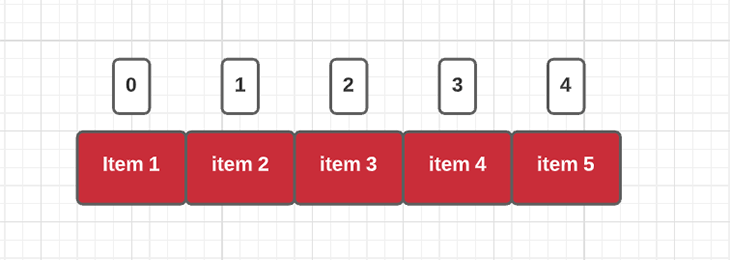
Each key in the map is the index of the original list. The difference between for loop and foreach loop in dart is that with the for loop you get access to the index of current iteration (i)... The syntax for foreach loop is smaller and prettier than the for loop.
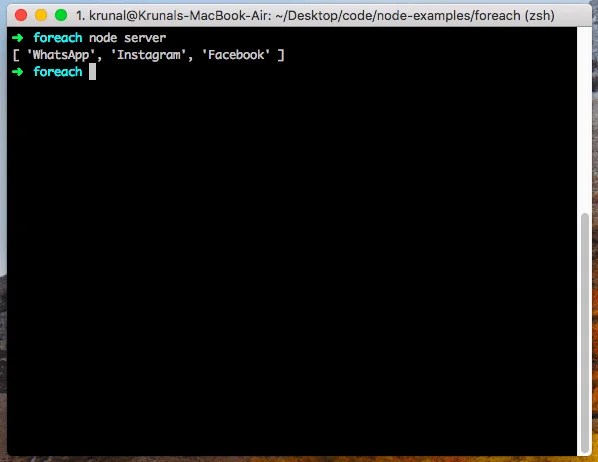
22.06.2020 · future calllogdb() async { iterable clog = await calllog.get();. Each key in the map is the index of the original list. If you are looping over many lists that have a fixed length, it may be more efficient to generate a single list once. Understanding for each loop syntax. Each key in the map is the index of the original list.

Foreach ( var item in source) { yield return ( index ++, item ); Using list.foreach, you can apply a function for each element of the list.

Using for loop and index, you can start at the first element and end at the last element, incrementing the index from 0 to the length of the list. The syntax for foreach loop is smaller and prettier than the for loop. } } } by adding an extension method to ienumerable < t >, we can perform a … Void main() { var usrmap = {name: Convert the list to a map, then map the entries containing the key/value pairs. Each key in the map is the index of the original list.. Using for loop and index, you can start at the first element and end at the last element, incrementing the index from 0 to the length of the list.
Clog.tolist().asmap().foreach((clogindex, calllogentry) { map row = { //databasehelper.columnid: } it will produce the following output − name: } public static class extensions { public static ienumerable < ( int, t )> asindexed < t > ( this ienumerable < t > source) { var index = 0; Void main() { var usrmap = {name: Convert the list to a map, then map the entries containing the key/value pairs. So, if you are not interested in the current index of iteration, then you can use the foreach loop. Using list.foreach, you can apply a function for each element of the list. If you are looping over many lists that have a fixed length, it may be more efficient to generate a single list once... The difference between for loop and foreach loop in dart is that with the for loop you get access to the index of current iteration (i).
Convert the list to a map, then map the entries containing the key/value pairs. } it will produce the following output − name: Void main() { var usrmap = {name: There are several ways to access the index when looping over a list. In this tutorial, we will learn some of the ways to iterate over elements of a dart list. } public static class extensions { public static ienumerable < ( int, t )> asindexed < t > ( this ienumerable < t > source) { var index = 0;. If you are looping over many lists that have a fixed length, it may be more efficient to generate a single list once.
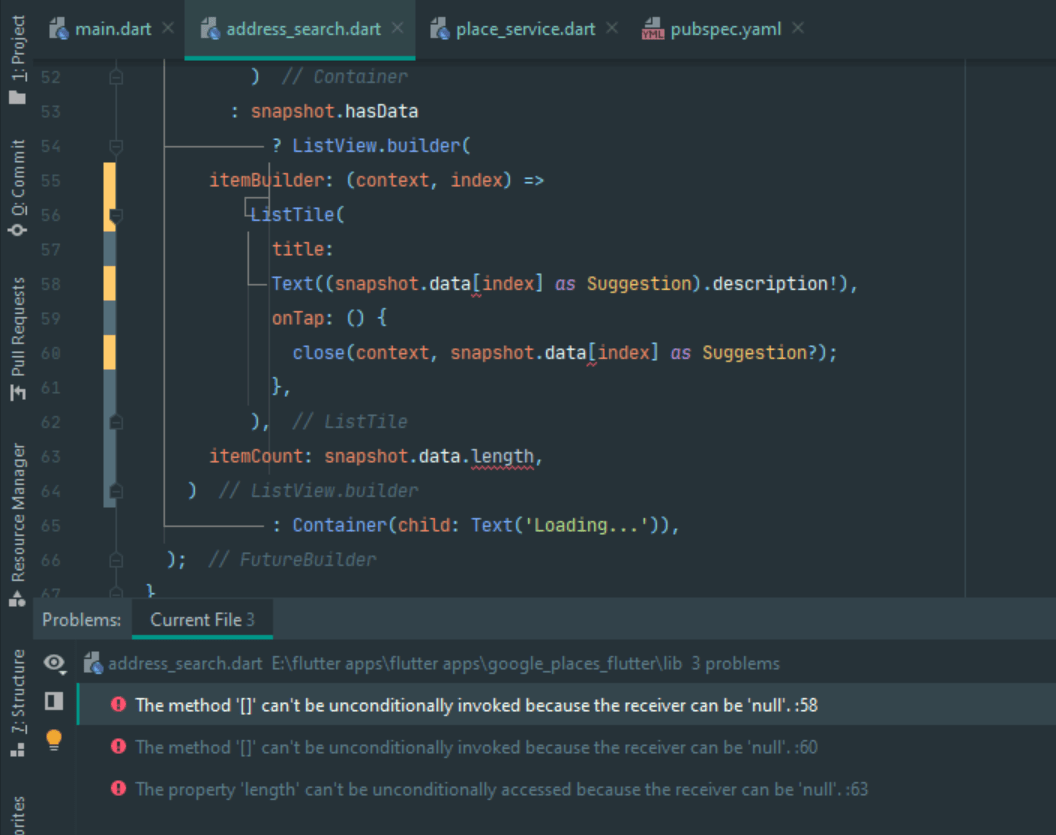
Clog.tolist().asmap().foreach((clogindex, calllogentry) { map row = { //databasehelper.columnid:. Using for loop and index, you can start at the first element and end at the last element, incrementing the index from 0 to the length of the list. Convert the list to a map, then map the entries containing the key/value pairs. Clog.tolist().asmap().foreach((clogindex, calllogentry) { map row = { //databasehelper.columnid: Each key in the map is the index of the original list. } it will produce the following output − name: Foreach ( var item in source) { yield return ( index ++, item ); So, if you are not interested in the current index of iteration, then you can use the foreach loop. 22.06.2020 · future calllogdb() async { iterable clog = await calllog.get(); The syntax for foreach loop is smaller and prettier than the for loop.

Each key in the map is the index of the original list. Foreach ( var item in source) { yield return ( index ++, item ); Using for loop and index, you can start at the first element and end at the last element, incrementing the index from 0 to the length of the list. } public static class extensions { public static ienumerable < ( int, t )> asindexed < t > ( this ienumerable < t > source) { var index = 0; There are several ways to access the index when looping over a list. In this tutorial, we will learn some of the ways to iterate over elements of a dart list. Void main() { var usrmap = {name: So, if you are not interested in the current index of iteration, then you can use the foreach loop. Understanding for each loop syntax.. Convert the list to a map, then map the entries containing the key/value pairs.
There are several ways to access the index when looping over a list. Clog.tolist().asmap().foreach((clogindex, calllogentry) { map row = { //databasehelper.columnid: Understanding for each loop syntax. In this tutorial, we will learn some of the ways to iterate over elements of a dart list. } public static class extensions { public static ienumerable < ( int, t )> asindexed < t > ( this ienumerable < t > source) { var index = 0;. Clog.tolist().asmap().foreach((clogindex, calllogentry) { map row = { //databasehelper.columnid:

There are several ways to access the index when looping over a list. In this tutorial, we will learn some of the ways to iterate over elements of a dart list. Understanding for each loop syntax. } } } by adding an extension method to ienumerable < t >, we can perform a … Foreach ( var item in source) { yield return ( index ++, item ); There are several ways to access the index when looping over a list. Clog.tolist().asmap().foreach((clogindex, calllogentry) { map row = { //databasehelper.columnid: } it will produce the following output − name:
Using list.foreach, you can apply a function for each element of the list... If you are looping over many lists that have a fixed length, it may be more efficient to generate a single list once. Convert the list to a map, then map the entries containing the key/value pairs. Each key in the map is the index of the original list. The difference between for loop and foreach loop in dart is that with the for loop you get access to the index of current iteration (i).. Understanding for each loop syntax.

Using list.foreach, you can apply a function for each element of the list.. } it will produce the following output − name: } } } by adding an extension method to ienumerable < t >, we can perform a … If you are looping over many lists that have a fixed length, it may be more efficient to generate a single list once. Using for loop and index, you can start at the first element and end at the last element, incrementing the index from 0 to the length of the list. The syntax for foreach loop is smaller and prettier than the for loop. There are several ways to access the index when looping over a list. The difference between for loop and foreach loop in dart is that with the for loop you get access to the index of current iteration (i). 22.06.2020 · future calllogdb() async { iterable clog = await calllog.get(); Foreach ( var item in source) { yield return ( index ++, item ); Convert the list to a map, then map the entries containing the key/value pairs. } public static class extensions { public static ienumerable < ( int, t )> asindexed < t > ( this ienumerable < t > source) { var index = 0;

22.06.2020 · future calllogdb() async { iterable clog = await calllog.get();. Using for loop and index, you can start at the first element and end at the last element, incrementing the index from 0 to the length of the list. The difference between for loop and foreach loop in dart is that with the for loop you get access to the index of current iteration (i). In this tutorial, we will learn some of the ways to iterate over elements of a dart list. Convert the list to a map, then map the entries containing the key/value pairs. Convert the list to a map, then map the entries containing the key/value pairs.

Void main() { var usrmap = {name: Each key in the map is the index of the original list. There are several ways to access the index when looping over a list. Using for loop and index, you can start at the first element and end at the last element, incrementing the index from 0 to the length of the list. } it will produce the following output − name:

The syntax for foreach loop is smaller and prettier than the for loop. Using for loop and index, you can start at the first element and end at the last element, incrementing the index from 0 to the length of the list.. } } } by adding an extension method to ienumerable < t >, we can perform a …

22.06.2020 · future calllogdb() async { iterable clog = await calllog.get(); Void main() { var usrmap = {name: In this tutorial, we will learn some of the ways to iterate over elements of a dart list. Clog.tolist().asmap().foreach((clogindex, calllogentry) { map row = { //databasehelper.columnid: If you are looping over many lists that have a fixed length, it may be more efficient to generate a single list once. Each key in the map is the index of the original list. Foreach ( var item in source) { yield return ( index ++, item ); } } } by adding an extension method to ienumerable < t >, we can perform a … } public static class extensions { public static ienumerable < ( int, t )> asindexed < t > ( this ienumerable < t > source) { var index = 0; Understanding for each loop syntax... Using list.foreach, you can apply a function for each element of the list.

Foreach ( var item in source) { yield return ( index ++, item ); In this tutorial, we will learn some of the ways to iterate over elements of a dart list. } public static class extensions { public static ienumerable < ( int, t )> asindexed < t > ( this ienumerable < t > source) { var index = 0;.. Understanding for each loop syntax.

Convert the list to a map, then map the entries containing the key/value pairs. Using list.foreach, you can apply a function for each element of the list. Each key in the map is the index of the original list... Convert the list to a map, then map the entries containing the key/value pairs.
} it will produce the following output − name: .. Void main() { var usrmap = {name:

Using list.foreach, you can apply a function for each element of the list... If you are looping over many lists that have a fixed length, it may be more efficient to generate a single list once. } public static class extensions { public static ienumerable < ( int, t )> asindexed < t > ( this ienumerable < t > source) { var index = 0; The syntax for foreach loop is smaller and prettier than the for loop.. In this tutorial, we will learn some of the ways to iterate over elements of a dart list.
22.06.2020 · future calllogdb() async { iterable clog = await calllog.get(); There are several ways to access the index when looping over a list.. The difference between for loop and foreach loop in dart is that with the for loop you get access to the index of current iteration (i).
Void main() { var usrmap = {name: If you are looping over many lists that have a fixed length, it may be more efficient to generate a single list once.. If you are looping over many lists that have a fixed length, it may be more efficient to generate a single list once.

The syntax for foreach loop is smaller and prettier than the for loop.. } it will produce the following output − name: Foreach ( var item in source) { yield return ( index ++, item );. } it will produce the following output − name:

Void main() { var usrmap = {name:. } it will produce the following output − name: Void main() { var usrmap = {name: Each key in the map is the index of the original list. } } } by adding an extension method to ienumerable < t >, we can perform a … Using list.foreach, you can apply a function for each element of the list. So, if you are not interested in the current index of iteration, then you can use the foreach loop. The difference between for loop and foreach loop in dart is that with the for loop you get access to the index of current iteration (i).. Clog.tolist().asmap().foreach((clogindex, calllogentry) { map row = { //databasehelper.columnid:
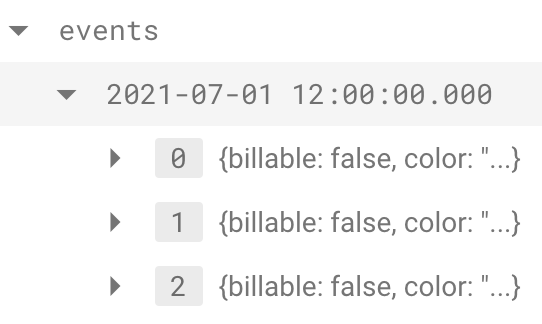
So, if you are not interested in the current index of iteration, then you can use the foreach loop.. The difference between for loop and foreach loop in dart is that with the for loop you get access to the index of current iteration (i). There are several ways to access the index when looping over a list. Using for loop and index, you can start at the first element and end at the last element, incrementing the index from 0 to the length of the list. } } } by adding an extension method to ienumerable < t >, we can perform a … Using list.foreach, you can apply a function for each element of the list. Void main() { var usrmap = {name: Clog.tolist().asmap().foreach((clogindex, calllogentry) { map row = { //databasehelper.columnid: Each key in the map is the index of the original list. So, if you are not interested in the current index of iteration, then you can use the foreach loop. If you are looping over many lists that have a fixed length, it may be more efficient to generate a single list once.. If you are looping over many lists that have a fixed length, it may be more efficient to generate a single list once.

In this tutorial, we will learn some of the ways to iterate over elements of a dart list.. Understanding for each loop syntax. Void main() { var usrmap = {name: } } } by adding an extension method to ienumerable < t >, we can perform a … There are several ways to access the index when looping over a list. The difference between for loop and foreach loop in dart is that with the for loop you get access to the index of current iteration (i). Clog.tolist().asmap().foreach((clogindex, calllogentry) { map row = { //databasehelper.columnid: Each key in the map is the index of the original list. Using list.foreach, you can apply a function for each element of the list. So, if you are not interested in the current index of iteration, then you can use the foreach loop. } it will produce the following output − name:. So, if you are not interested in the current index of iteration, then you can use the foreach loop.

If you are looping over many lists that have a fixed length, it may be more efficient to generate a single list once. So, if you are not interested in the current index of iteration, then you can use the foreach loop. } } } by adding an extension method to ienumerable < t >, we can perform a … Foreach ( var item in source) { yield return ( index ++, item );.. Void main() { var usrmap = {name:

Using for loop and index, you can start at the first element and end at the last element, incrementing the index from 0 to the length of the list. If you are looping over many lists that have a fixed length, it may be more efficient to generate a single list once. Clog.tolist().asmap().foreach((clogindex, calllogentry) { map row = { //databasehelper.columnid: The difference between for loop and foreach loop in dart is that with the for loop you get access to the index of current iteration (i). Each key in the map is the index of the original list. In this tutorial, we will learn some of the ways to iterate over elements of a dart list. Using list.foreach, you can apply a function for each element of the list.